

“While the rest of the world is obsessed with autonomous tech and EVs, Pagani created something entirely analog, mechanical, and timeless.”
01
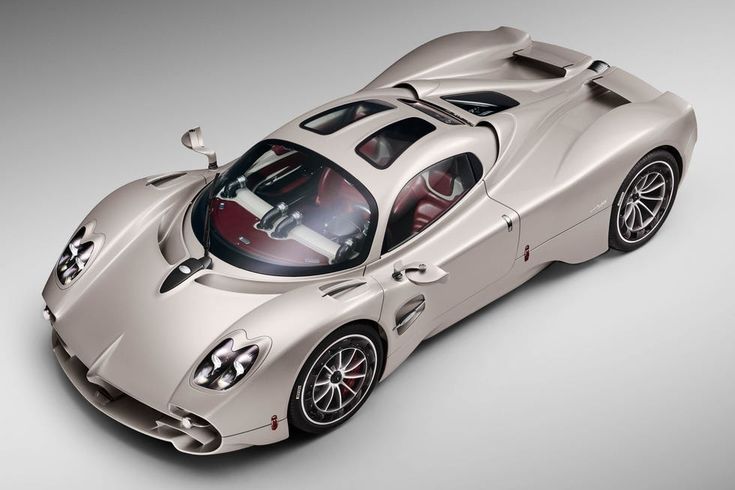
In 2022, when most carmakers were moving toward electrification, touchscreens, and digital-first experiences, Horacio Pagani unveiled something very different: the Pagani Utopia. Instead of chasing speed records or advanced tech, this car set out to preserve qualities that have almost disappeared from the automotive world. Pagani called it “Utopia” — a car for dreamers.
02
What Makes the Utopia Unlike Any Other Car
While most brands are downsizing or electrifying, Pagani convinced Mercedes-AMG to build a special 6.0L twin-turbo V12 just for him. No other company today gets a custom V12 from AMG. It makes 864 hp, but the power isn’t the point. The rarity is.
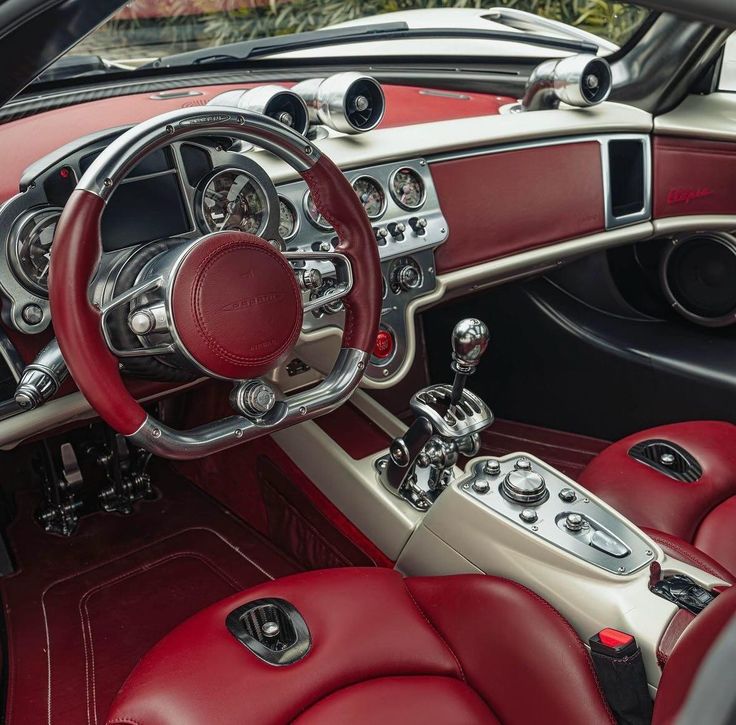
Almost no hypercar today offers a manual gearbox. Pagani went against the industry trend by giving buyers the choice of a 7-speed gated manual alongside an automated version. The exposed mechanical linkage is a centerpiece of the interior design. Inside the Utopia, screens are almost completely absent. Instead, the dashboard is built around precision analog dials, machined and finished with watchmaking detail. The only “screen” is a tiny display for legal requirements.


03
Obsessive Material Work
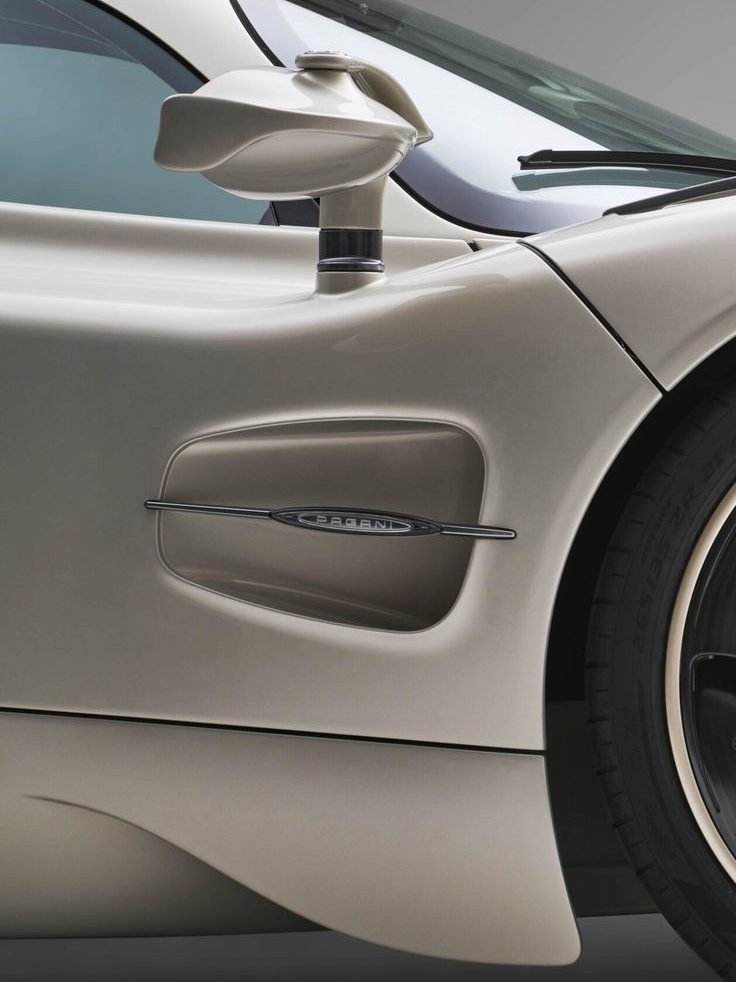
Every single bolt in the car is made of titanium, and engraved with the Pagani name just like the Zonda and Huayra before it. But in Utopia, they’re slightly redesigned to match its purer, calmer designer language. This is the kind of obsessive detail no other carmaker bothers with.
From titanium bolts engraved with the Pagani name to carbon fiber blended with titanium strands (“Carbotitanium”), the level of craftsmanship is unlike anything found in series-production cars. Every component is treated as both engineering and sculpture.
04
Design Philosophy
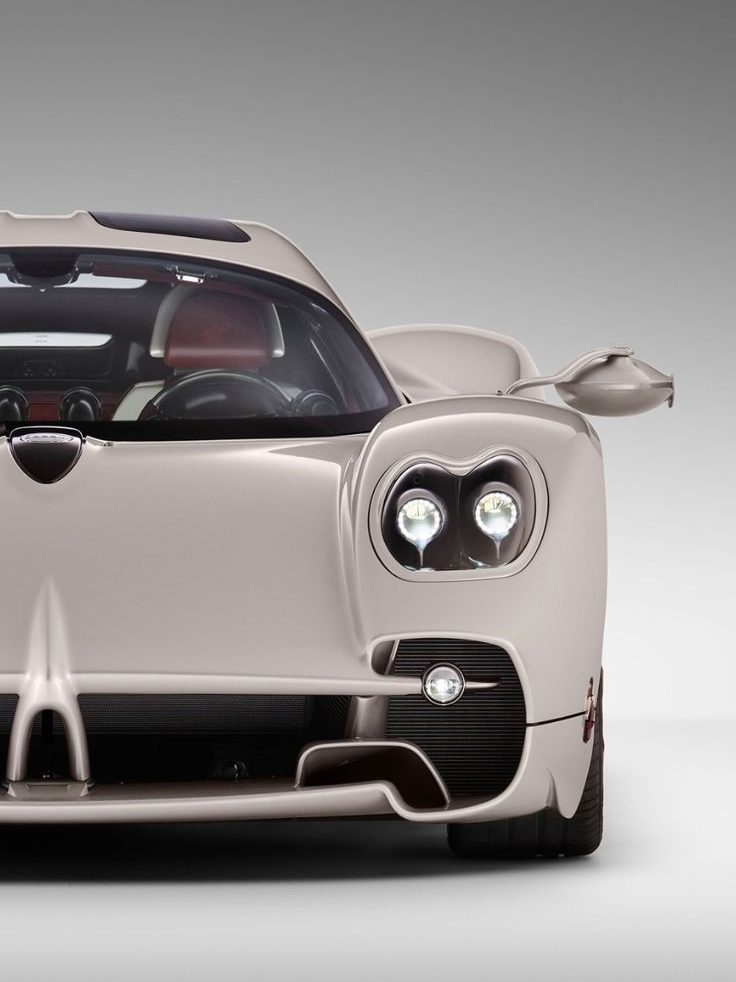
Horacio Pagani has always believed design should be emotional as much as functional. The Utopia draws inspiration from simplicity and timelessness. Its flowing lines reference 20th-century Italian design rather than computer-generated aerodynamics. The design doesn’t scream for attention; it rewards close inspection.
Every vent, scoop, and opening has a purpose, but instead of being hidden, they are integrated like jewelry. Even the rear mirrors are mounted on delicate carbon arms shaped like artworks. No giant wings, no oversized spoilers, no giant screens. Just form, proportion, and detail. The Utopia is a cultural statement about what design can preserve in an era of constant change.

